
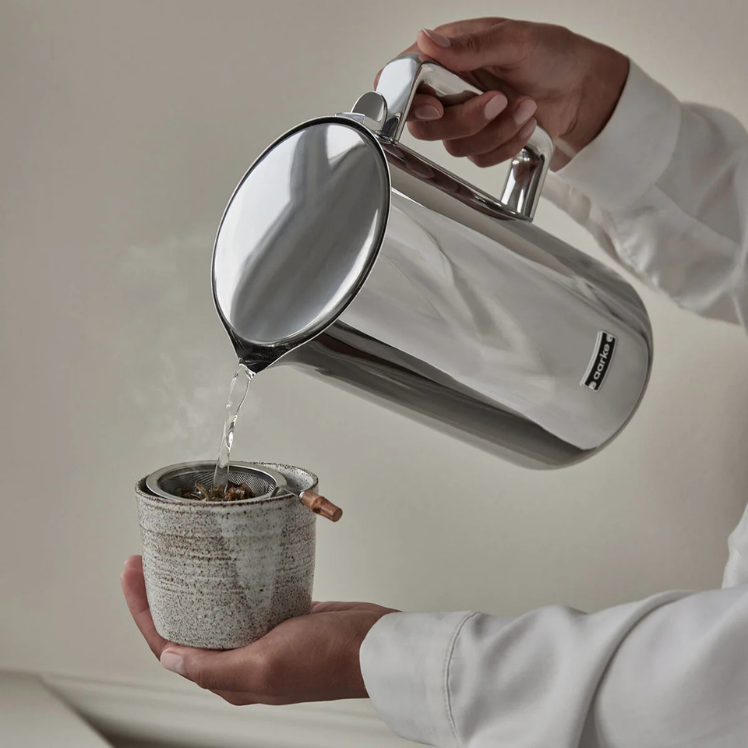
Kettle User Manual
User manual in several different languages:
English, Français, Deutsch, Español, Italiano, Svenska, Norsk, Dansk, Suomalainen, Íslenska, Русский, Polski, Eestlane, Latvietis, Lietuvis, Nederlands, 日本語, 한국어, 中文, عربي
Kettle Care Guide
How to use the Aarke Kettle?
Click this link, to see a video on how to use your Aarke kettle.
Does the surface get hot?
The handle is heat-safe and won't get hot. The body is double-walled, so the exterior stays cool for most of the boil - but the top rim is single-walled and will get warm from steam over time.
Does it keep water warm after boiling?
The kettle doesn't hold a set temperature after boiling, but the double-wall insulation keeps the water warm for a while without reheating.
Does it switch off automatically?
Yes - as soon as the selected temperature is reached.
Does the kettle have any plastic?
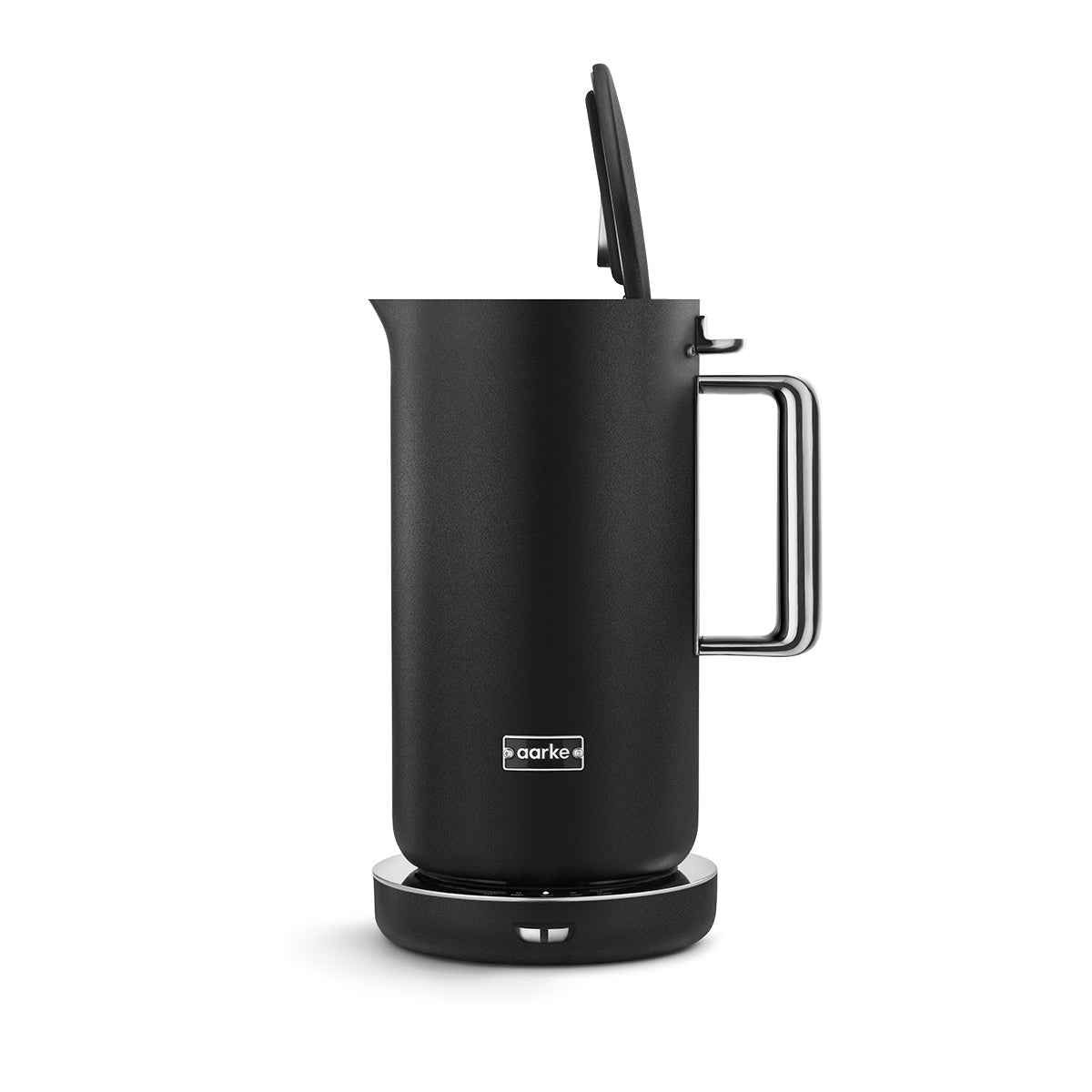
The Aarke Kettle is primarily made of high-quality stainless steel (SUS304), with an inner-lid structure in food-grade BPA-free plastic and some details in food-grade BPA-free silicone rubber. The water in the Kettle will come in direct contact with the stainless steel inside and the silicone rubber in the temperature sensor seal, while steam from the heated water may condense at the top and come in contact with the lid-seal in silicone rubber and the inner-lid structure in plastic.
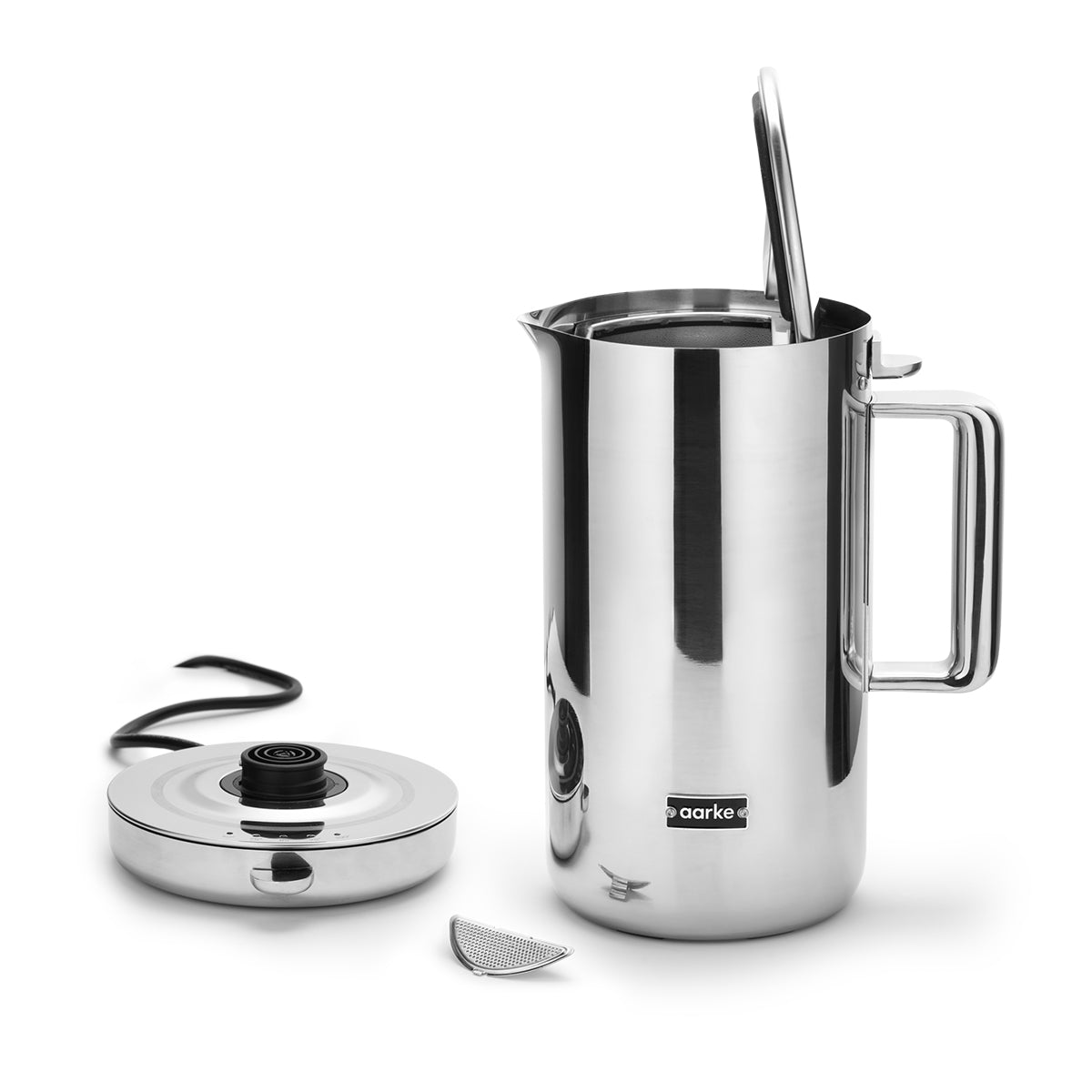
The Kettle is made of high-quality stainless steel, which not only reduces the use of plastic but is also a more durable and hygienic alternative to kettles in plastic. Compared to other common kettles, even the removable limescale filter is plastic free, made in 100% stainless steel.
Kettle has been tested and approved according to the FDA Food Safety, California Proposition 65 and LFGB Food Safety requirements.
The light of my kettle keeps blinking
This means that the dry boil protection has been activated - most likely because there was no water or too little water inside the Kettle when you tried to boil it.
How to restore normal functionality:
1. Remove the Kettle from the base and let it cool down for 15 minutes.
Do not pour water inside until it has fully cooled down.
2. Unplug the base from the power outlet and wait until the lights stop blinking.
3. Once the lights have stopped blinking, plug the base back in.
4. When the Kettle is completely cooled, place it back on the base and use it as usual.
5. Always ensure the water level is above the minimum line before boiling.
If any solids or mineral stains are visible on the bottom of the Kettle, allow it to cool for at least 15 minutes, then gently scrub the area with a dishwashing sponge. Rinse thoroughly before using the Kettle again. Click this link, for a visual instructional video on how to restore dry boil protection.
If the issue persists, please let us know, and our team will be happy to assist you.
The beeping sound
To turn the beep on or off, press and hold the button on the power base. When turned off, the LED shows heating progress instead — blinking while heating, steady when done.
How do I remove limescale from the kettle?
Over time, minerals in tap water can leave limescale deposits inside your kettle. This is completely normal and can be easily cleaned using a mild acid solution, such as diluted white vinegar.
Follow these steps to descale your kettle safely and effectively:
1. Fill the kettle with water (only water) up to the MAX line. For a quicker process, heat the water to about 40°C.
2. Remove the kettle from the base to ensure it cannot heat up.
3. Add 100 ml of white vinegar to the water.
4. Let the mixture sit for at least 1 hour, or longer for tougher buildup.
5. Pour out the solution and rinse the kettle thoroughly with fresh water.
6. Boil clean water several times, discarding the water after each boil, to remove any remaining vinegar residue.
For regular maintenance, descale every 1–2 months, depending on your water hardness.
Also, avoid using abrasive cleaners or scouring pads, as these can scratch the interior surface. Click this link, for a visual instructional video on how to clean limescale from the kettle.
My kettle has rust
Small spots of rust can occasionally appear on metallic surfaces, including stainless steel — this is normal and not harmful to your health.
Rust (iron oxide) can form when metal is exposed to moisture and oxygen over time, even on high-quality stainless steel components.
These small rust spots can be safely and easily removed.
Read this article for helpful tips on how to remove rust from stainless steel.
You may already have common household items — such as baking soda or vinegar — that work well for rust removal. We recommend trying these simple home methods as a first step.
Aarke Australia
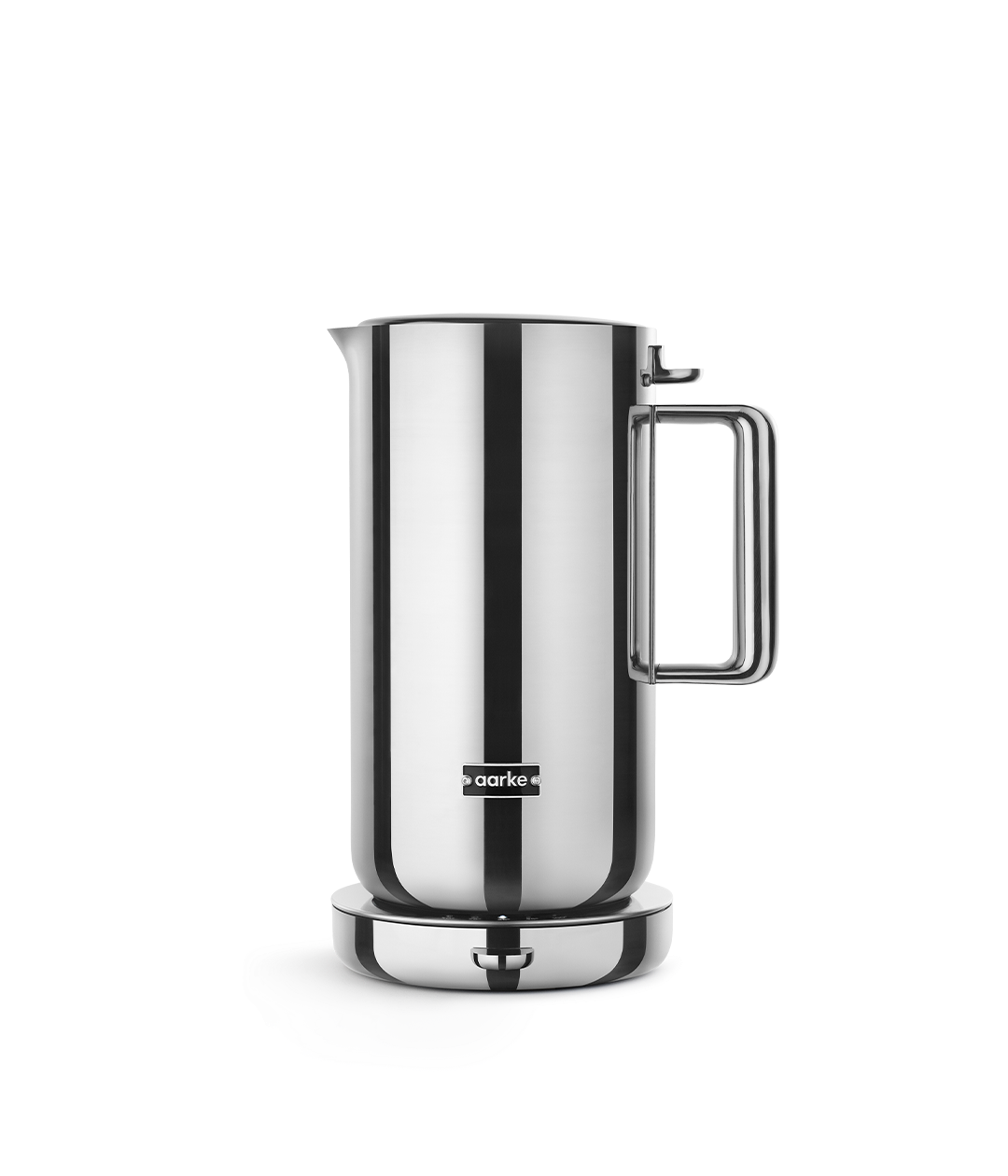
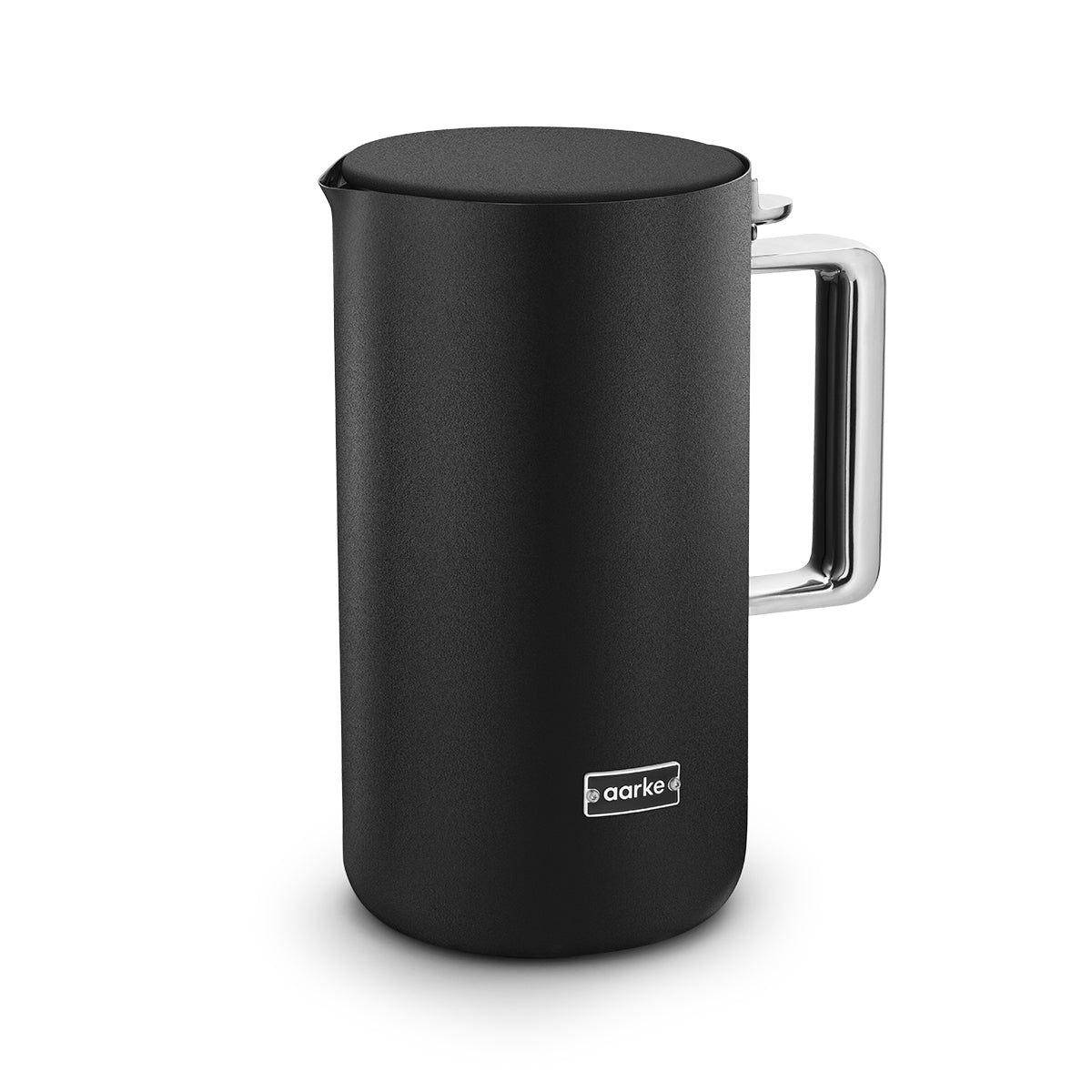
Kettle
Share